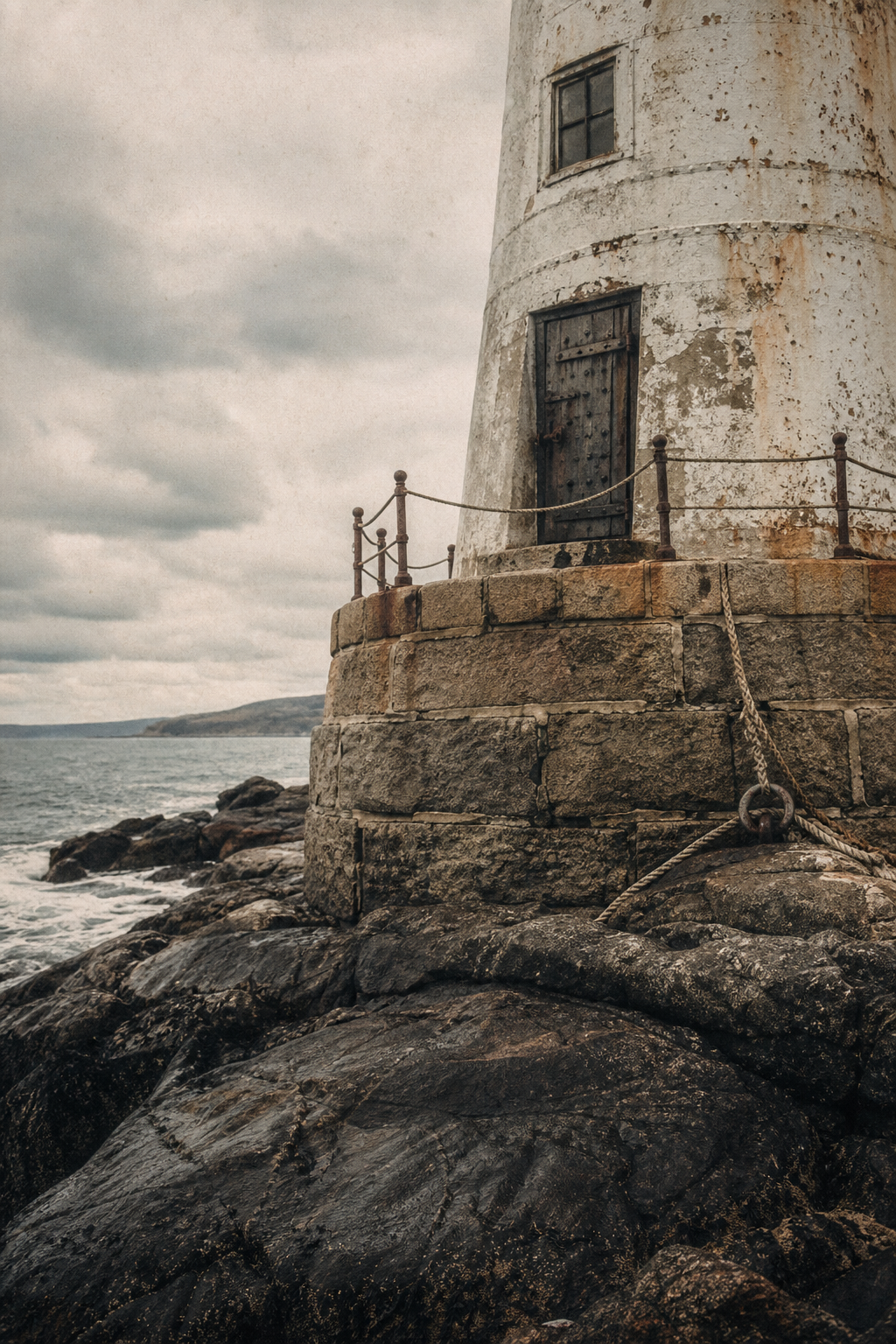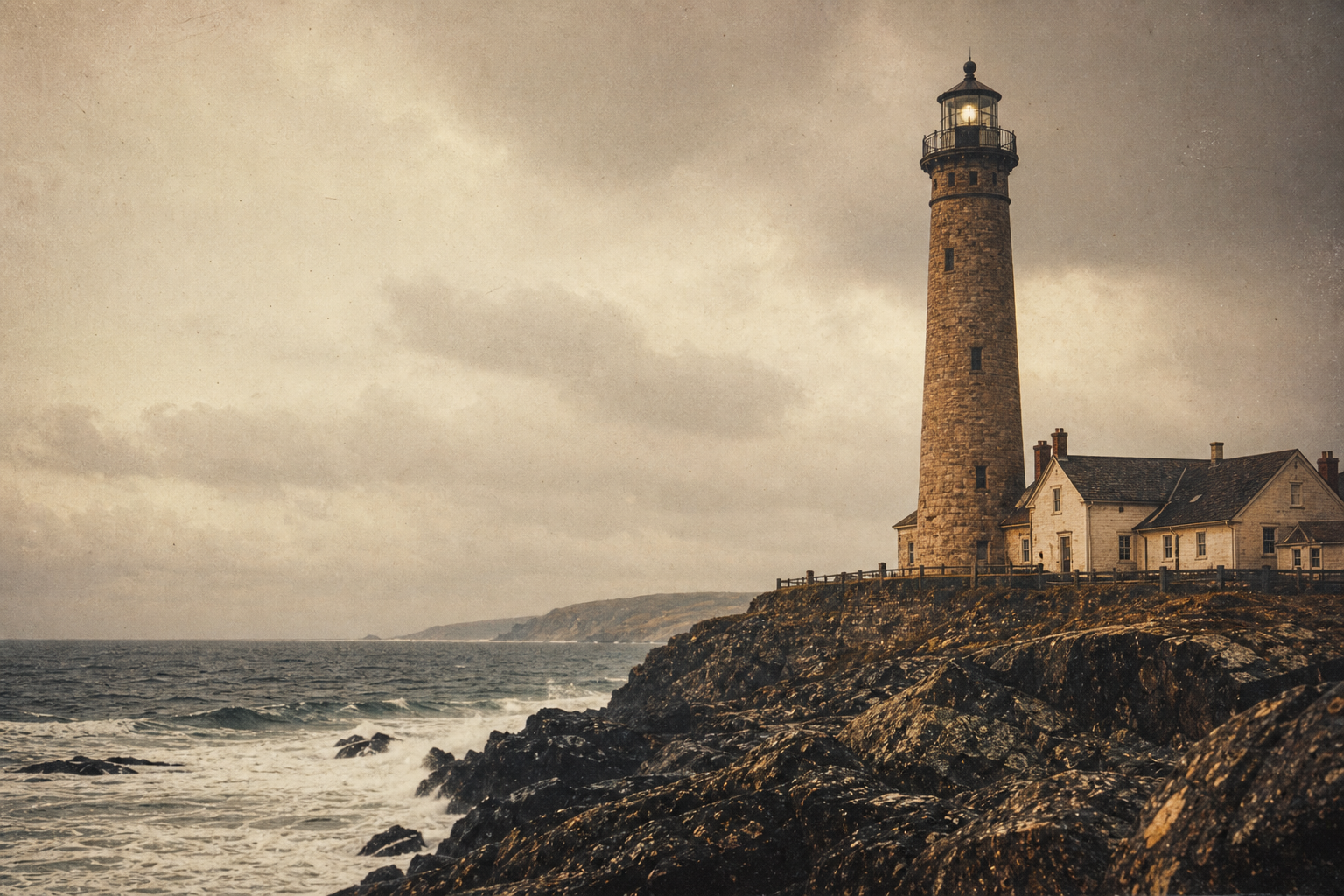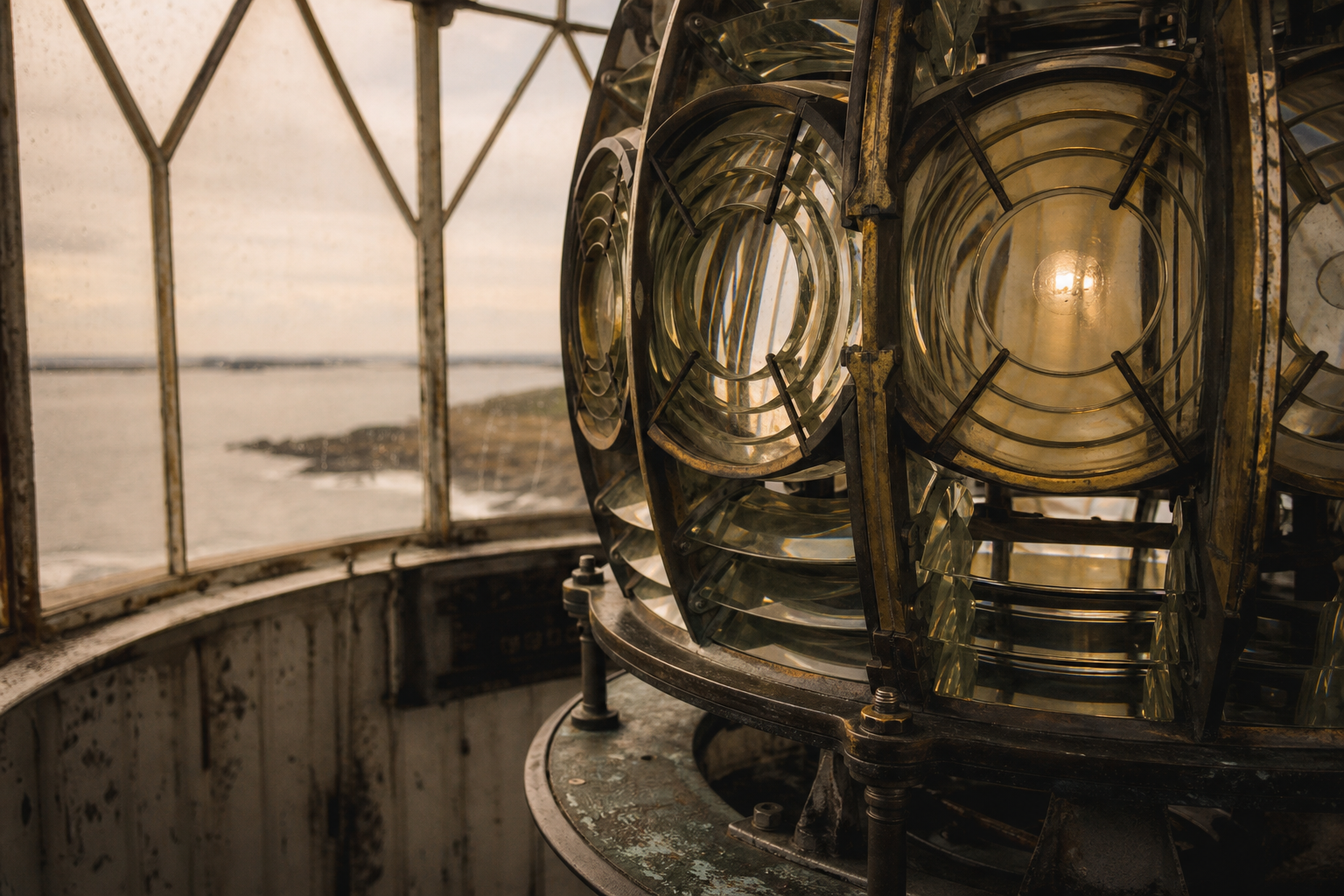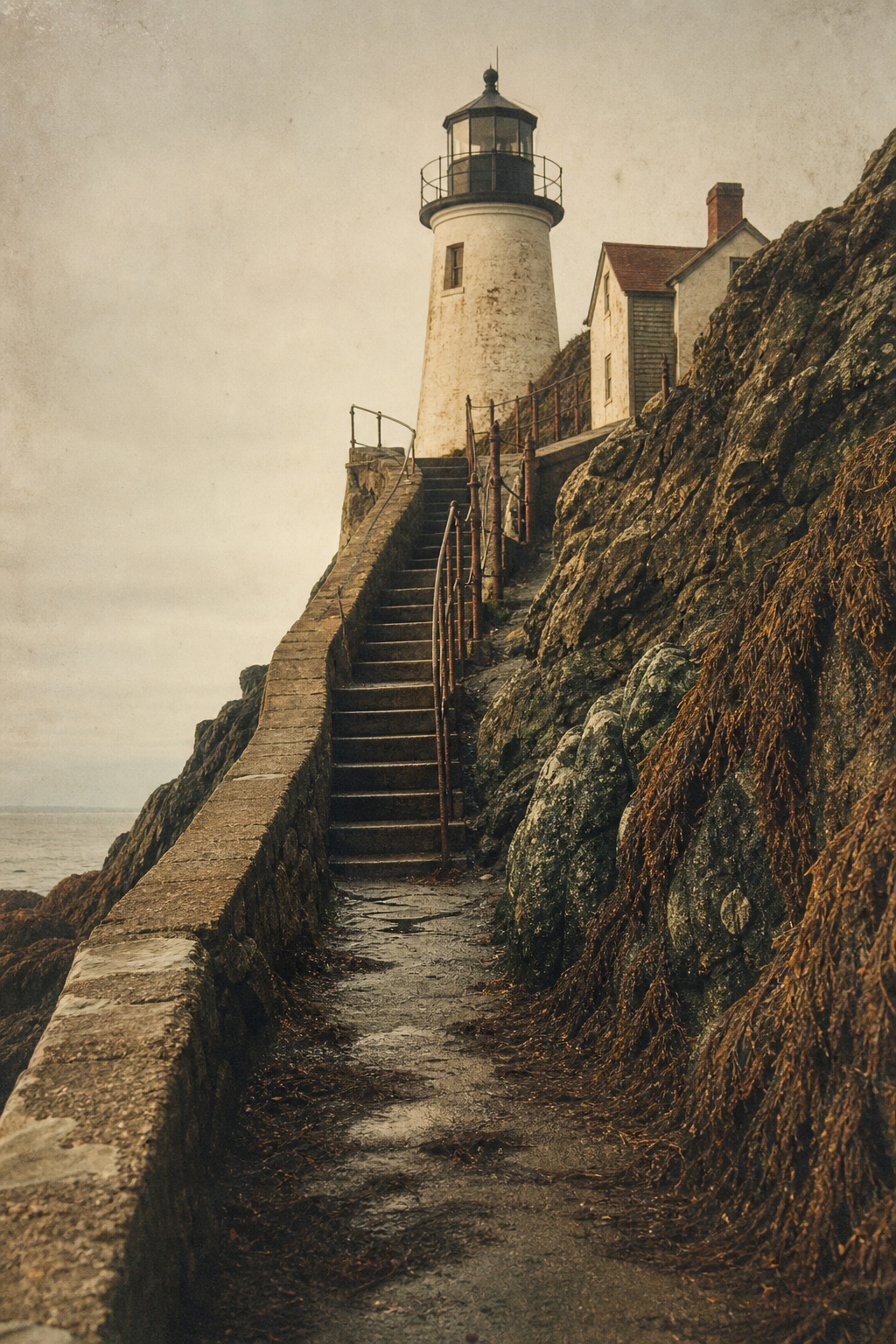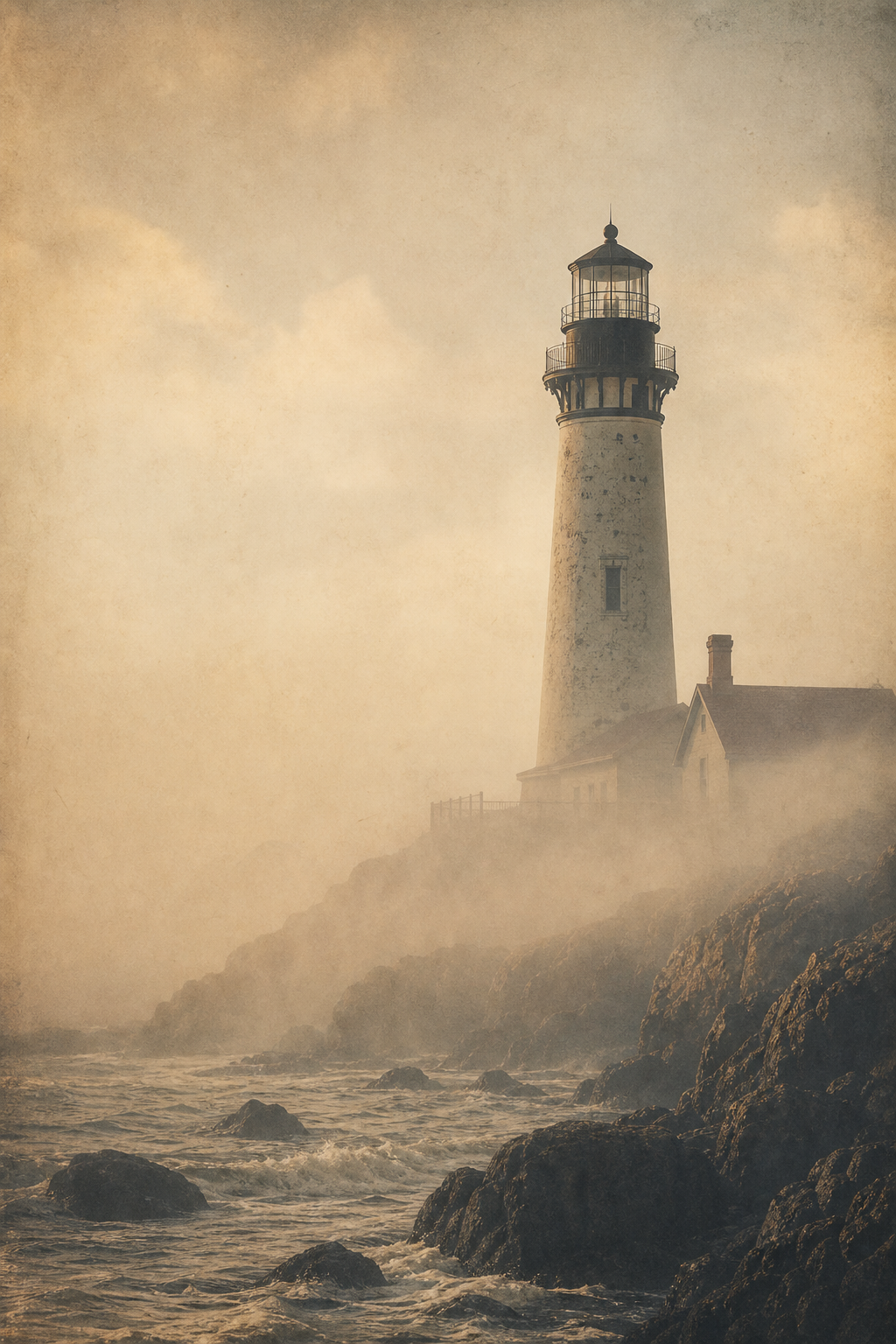
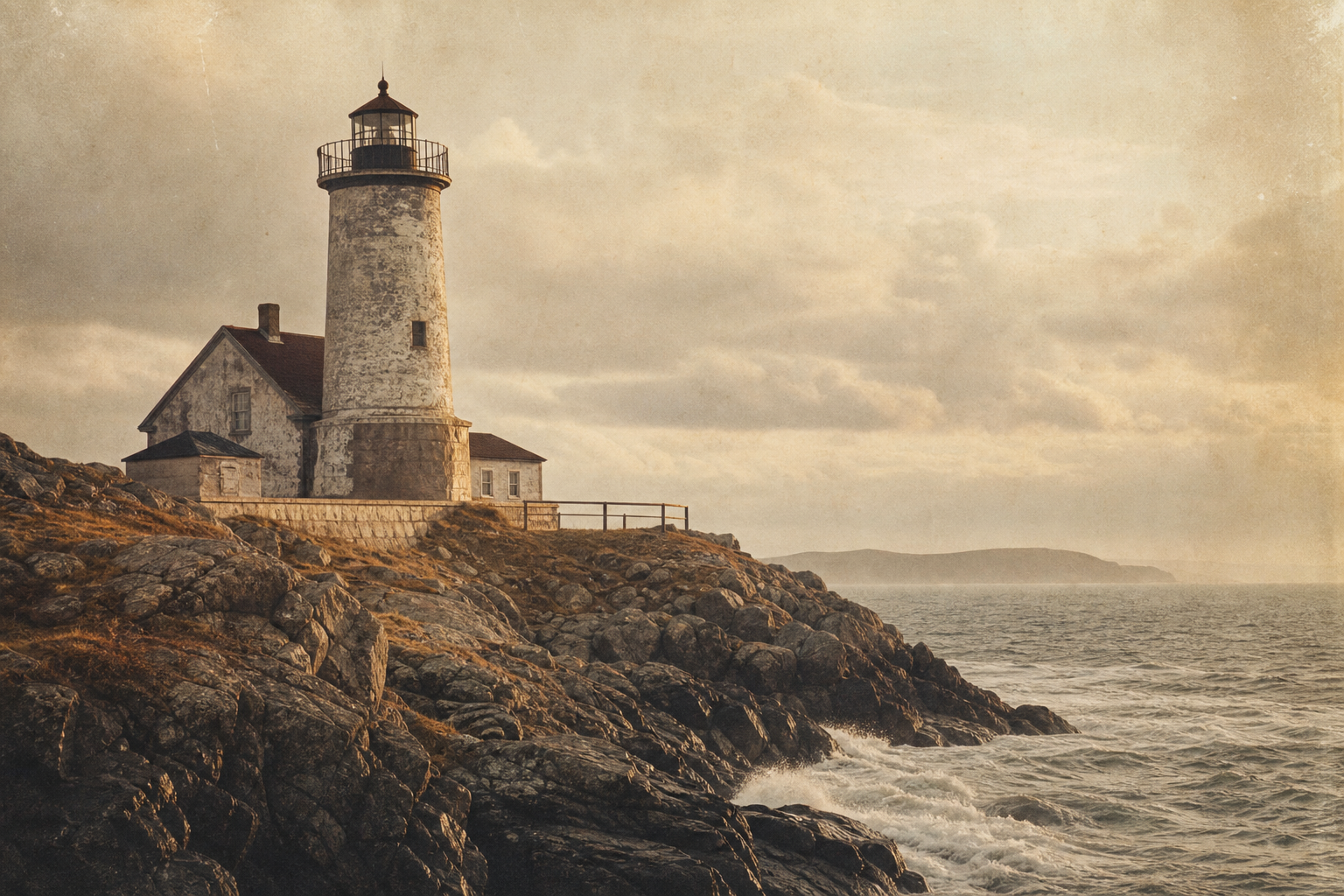
Weathered stone lighthouse on a rugged northern coastline in warm archival film style, with soft sea haze and golden overcast light

Northern Coast Lighthouse Archive

Beacons of the Northern Coast

Preserving archive photographs, keeper stories, and the shared memory of surviving towers that still watch the shoreline.

  • Archival photographs
  • Keeper recollections
  • Preserved coastal landmarks
Chronology

A brief history of northern coast lighthouses

From humble shore fires to today’s preservation work, this timeline traces the coast’s beacon tradition in five clear moments.

  1. Early era

    Early shore beacons

    Before permanent towers, coastal communities lit open fires and lantern posts to guide vessels through fog and shoals.

  2. 19th century

    Expansion of tower building

    Maritime trade growth prompted stone and iron towers to rise at river mouths, headlands, and dangerous reef lines.

  3. Keeper years

    The keeper era

    Resident keepers maintained lenses, weather logs, and warning signals as lighthouse stations became tightly knit working homes.

  4. 20th century

    Modernization of navigation

    Electrification, radio beacons, and automated optics reshaped lighthouse duties while still anchoring coastal navigation networks.

  5. Today

    Preservation in the present day

    Local trusts, volunteers, and heritage programs now restore towers and open their stories to new generations.

Keeper recollections

Voices from the lantern room

Brief notes preserved from families and attendants who kept the northern coast lights steady through ordinary nights and rough weather.

“On fog-heavy mornings, we polished the lens before breakfast so the first fishermen could find the shoals by memory and light together.”

Martha Keane

Former assistant keeper

“Father said the tower had its own heartbeat; if the wick trimmed right, you could hear the lamp settle into a quiet hum all night.”

Eliza Rowan

Head keeper’s daughter

“During summer runs I carried spare mantles in my coat pocket, because the wind off the point could crack one between dusk and moonrise.”

Jonah Pike

Seasonal lamp attendant

Preserved towers

Surviving landmarks along the northern coast

A quick orientation to four preserved lights still standing, each tied to restoration work and present-day coastal visits.

Coastal preservation overview

Northern Coast Preservation Corridor

These towers were retained as navigational heritage sites through phased masonry repairs, lantern restoration, and volunteer stewardship. Use the markers below as a map-like route from the outer capes toward the sheltered inlets.

Marker dots indicate key preserved stations

Harbor Reach Light

North Shoal Point

Status: Granite tower repointed and gallery rail fully stabilized in 2022.

Visitor cue: Sunset light reveals the original lens room glazing.

Winter Cape Beacon

Driftline Head

Status: Lantern housing conserved; keeper stair rebuilt with archival plans.

Visitor cue: Cliff path gives a wide view of both beacon and fog signal house.

Old Channel Light

Mariner's Inlet

Status: Foundation drainage corrected; tower interior reopened for seasonal tours.

Visitor cue: Interpretive panels compare early charts with the current shoreline.

North Ledger Tower

Sealwater Bluff

Status: Exterior limewash renewed and cliff-edge retaining wall reinforced.

Visitor cue: Morning visits offer clear sightlines over the preserved signal corridor.

Visiting notes

Plan a respectful lighthouse visit

Practical guidance for access, weather, and preservation-minded travel along the northern coast.

Do all lighthouse sites allow public access?

Access varies by tower: some grounds are open year-round, while others are view-only or limited to guided days. Check local stewardship notices before you travel.

What should I bring for northern coast weather?

Bring windproof layers, sturdy shoes, and water protection for gear. Coastal conditions can shift quickly from sun to fog and strong gusts within an hour.

How can I follow preservation etiquette on site?

Stay on marked paths, avoid climbing barriers, and never remove fragments or artifacts. Respect restoration zones and leave each site exactly as you found it.

Are there seasonal closures or safety restrictions?

Yes. Winter storms, nesting periods, and maintenance work may limit trails or tower entry. Plan with seasonal advisories and keep an alternate stop in mind.

Is photography welcome at preserved towers?

Usually yes for personal use, but tripods, drones, or commercial shoots can require permits. Keep clear walkways and avoid blocking volunteers or active maintenance areas.